Networking and Professional Development as a Massage Therapist
By Joan Hannant, Founder & CEO of The Soma Institute

Imagine stepping into a room filled with experienced massage therapists, each with their own stories, techniques, and career paths. This is the power of networking. As a massage therapist, building connections and continuously developing your skills are vital. These practices not only enhance your expertise but also open doors to massage therapist resources, new opportunities, and client relationships.
Geriatric Massage: Enhancing Well-Being for Older Adults
By Joan Hannant, Founder & CEO of The Soma Institute

Geriatric massage is a specialized approach tailored to the needs of older adults. This form of massage uses gentle techniques to accommodate the physical changes that come with aging, ensuring a safe and effective treatment for older adults.
Benefits of Geriatric Massage
Massage therapy for the elderly offers numerous physical and mental health benefits. Physically, it can improve mobility by enhancing flexibility and reducing muscle stiffness. It also helps reduce pain, particularly in those suffering from chronic conditions such as arthritis.
Improved circulation is another key benefit, which can aid in reducing swelling and promoting overall cardiovascular health. Mentally, massage can significantly reduce anxiety and depression, promoting relaxation and better sleep. This holistic approach can improve the quality of life and increase the sense of well-being in older adults.
Techniques
Specific techniques used in geriatric massage emphasize softness and safety. Light effleurage involves gentle stroking motions to promote relaxation and circulation without causing strain. Gentle kneading helps in relieving muscle tension and improving flexibility. Passive stretching is used to maintain and improve joint mobility, and limbs must be carefully moved to avoid any discomfort. These techniques differ from more general massage practices by focusing on the unique needs of older adults, ensuring that each session is both safe and effective.
Considerations
When providing massage therapy for the elderly, it is of utmost importance to consider their unique health history and potential contraindications. Conditions such as osteoporosis, fragile skin, or recent surgeries require special attention and adaptations to the massage routine. This underscores the need for a personalized approach in geriatric massage. Always consult with healthcare providers and tailor the massage to the individual’s specific needs, ensuring the highest level of care.
Promoting Wellness in Older Adults
Specialized massage is vital for the well-being of older adults. For those interested in this specialty, seeking further training in geriatric massage is a valuable step. The Soma Institute provides a holistic education that emphasizes the unique needs of each individual. Through our comprehensive training, we prepare therapists to deliver personalized care that promotes wellness, healing, and the art of massage therapy. Embrace the opportunity to enhance the lives of older adults through the power of touch.
Hands-On Learning Versus In-Class Learning in Massage Therapy
By Joan Hannant, Founder & CEO of The Soma Institute
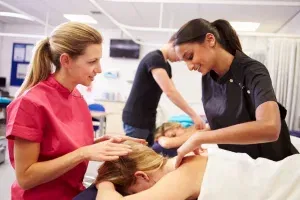
Understanding the differences between hands-on and in-class learning can significantly impact your educational experience and future professional skills when pursuing a career in massage therapy. At The Soma Institute, we believe in offering our students a comprehensive learning journey that blends both approaches, ensuring they are well-prepared for their future careers.
The Future of Massage Therapy
By Joan Hannant, Founder & CEO of The Soma Institute

The future of massage therapy holds exciting prospects. It promises to expand beyond traditional settings and into diverse sectors. This expansion broadens the scope of practice for therapists and increases accessibility to therapeutic massage for various populations.
Integration into Healthcare
A significant shift is the increasing integration of massage therapy within mainstream healthcare. Hospitals and rehabilitation centers recognize the benefits of massage as a complementary therapy to accelerate patient recovery. This integration, with its proven ability to aid in pain management, reduce stress, and improve overall patient outcomes, inspires a brighter future for healthcare.
Corporate Wellness Programs
Workplace wellness programs are another area where massage therapy is making a substantial impact. Companies are beginning to offer onsite massage services as part of employee wellness initiatives to reduce stress and enhance productivity. As more businesses see the value in supporting employee health, the demand for massage therapists in corporate environments is expected to rise.
Specialized Services
Expect a rise in specialized massage services catering to niche markets, including prenatal, geriatric, and sports therapies. These specialized services, with their focus on addressing specific needs and conditions, underscore the adaptability and importance of massage therapy in various life stages and activities, sparking intrigue and engagement in the future of massage therapy.
The future of massage therapy is bright and expansive. As we look ahead, the field will become more integrated into daily life and various industries, enhancing health and wellness across populations. The Soma Institute continues to prepare its students for these emerging opportunities, ensuring they are ready to meet the challenges and demands of this evolving field.
Ethics in Massage Therapy
By Joan Hannant, Founder & CEO of The Soma Institute
 Ethics play a crucial role at the core of every healing profession, and massage therapy is no exception. For those drawn to a career in this fulfilling, therapeutic field, understanding and adhering to ethical standards is just as important as mastering the physical techniques. The ethical practices in massage therapy serve a crucial purpose and are designed to ensure the client’s and therapist’s well-being and comfort. These guidelines establish a professional boundary and mutual respect, creating a safe and effective therapeutic environment.
Confidentiality and Privacy
A cornerstone of massage therapy ethics is maintaining the confidentiality and privacy of clients. Therapists are entrusted with personal information and often vulnerable conversations. Respecting this trust is fundamental, and all client details are kept confidential unless disclosure is required by law.
Informed Consent
Before initiating any treatment, therapists must obtain informed consent. This involves explaining the treatment plan, discussing potential risks, and ensuring the client understands and agrees to the proposed procedures. Transparency in communication builds trust and underscores professionalism.
Professional Boundaries
Setting and respecting boundaries is essential for massage therapists. This includes keeping client interactions professional and refraining from engaging in personal relationships or behaviors that could be misconstrued. Professional boundaries protect the client and the therapist, allowing the therapeutic relationship to remain focused on healing.
Cultural Sensitivity and Respect
Acknowledging and respecting cultural differences enrich the therapeutic experience. Therapists should strive to understand diverse backgrounds and provide care that respects all cultural perspectives, thereby enhancing the therapeutic relationship and efficacy of treatment.
Adhering to these ethical standards is crucial for protecting clients and enhancing the integrity of the massage therapy profession. For those training at institutes like The Soma Institute, these principles are integrated into every aspect of learning, ensuring that graduates are skilled and ethical massage therapists.